
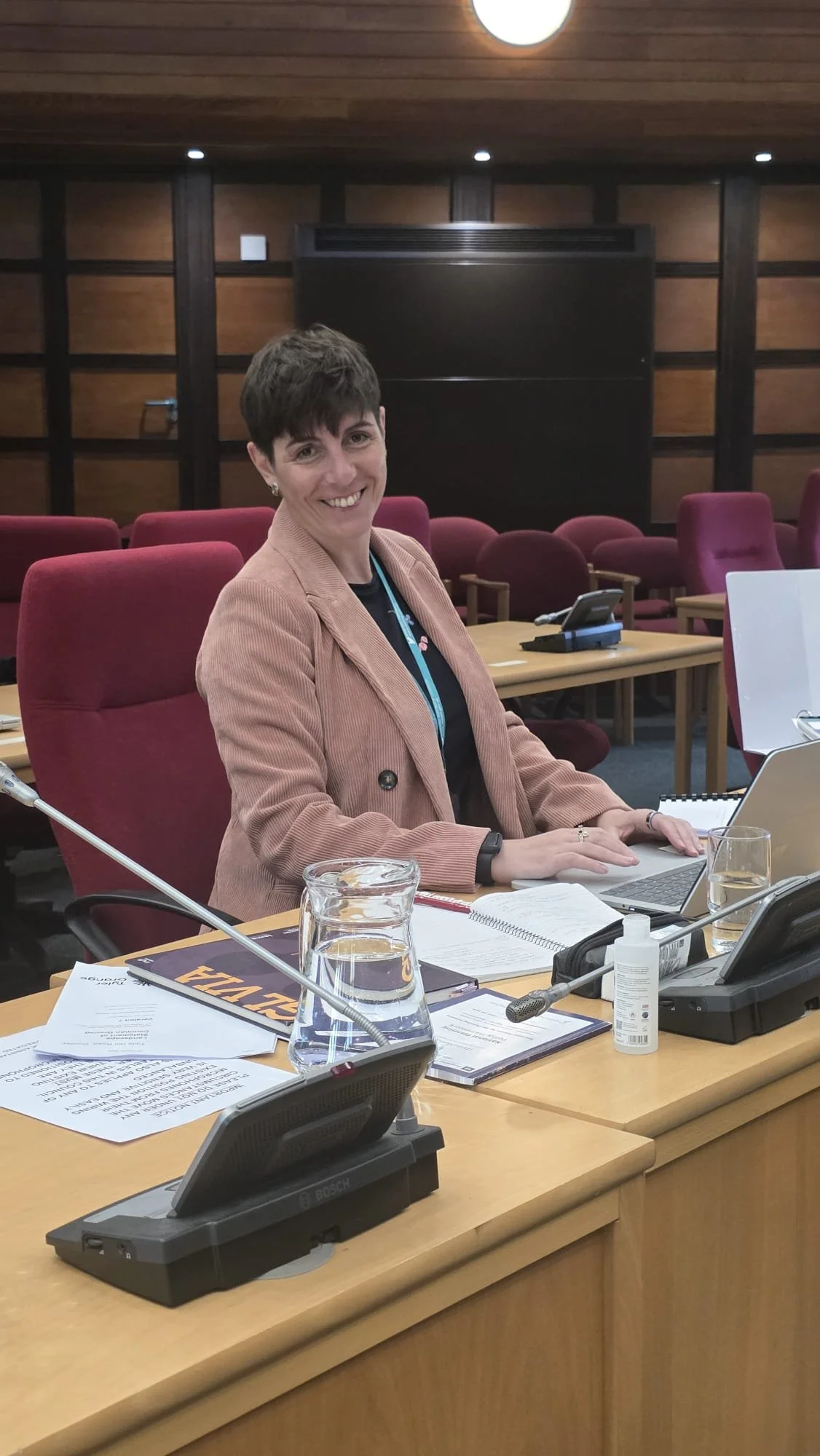
Expert witness experience includes acting for local planning authorities, private clients and community groups in relation to landscape, townscape and visual matters at planning inquiries, hearings and appeals. This work has involved the preparation and presentation of evidence on sensitive sites, including Green Belt land, National Landscape settings, settlement edges, rural landscapes and sites where landscape and visual harm formed a key reason for refusal.
Relevant projects include the Felix Hotel, Cambridge, where landscape and visual evidence was presented at inquiry in support of the redevelopment of an existing hotel site within the Cambridge Green Belt. The evidence addressed the relationship between the site, the surrounding Green Belt and the perceived gap between Girton and Cambridge, demonstrating that the proposal would preserve openness and the green character of the area. The appeal was allowed, and the scheme was approved.
Expert witness work has also included acting for the local planning authority in relation to Deal Farm, Bressingham, a partially retrospective anaerobic digester development in the rural landscape of South Norfolk. The evidence addressed the landscape and visual harm arising from development that had not been built in accordance with the original approval. The Council’s position was upheld at appeal, and the digesters have since been removed to preserve the local rural character and visual openness.
Further experience includes acting for Buckinghamshire Council in relation to the National Society for Epilepsy appeal for a major mixed-use development, including up to 975 homes, on Green Belt land adjacent to the Chilterns National Landscape. Although the appeal was allowed, both the Inspector and Minister of State for Housing agreed with the landscape evidence that the proposal would cause harm to Green Belt openness and to the character of the landscape. Similar expert witness experience includes acting for Stroud District Council in relation to a refused residential development at Tait’s Hill Road, Cam, close to the Cotswolds National Landscape, and supporting East Cambridgeshire District Council in relation to a refused housing scheme at Stretham. In the Stretham case, although the appeal was allowed, the Inspector agreed that significant landscape and visual harm would arise.
Appeal-related experience also includes supporting the preparation of landscape and visual evidence for the major redevelopment next to Cambridge North Station, for which the original Landscape and Visual Impact Assessment had also been prepared. The scheme comprised a substantial mixed-use redevelopment including laboratory, office and residential floorspace, with the assessment addressing the relationship with the surrounding residential townscape, Conservation Areas and the River Cam landscape. The appeal was allowed.
Community group experience includes acting for Countryside Matters in Wales in opposition to a proposed Lidl store south of Llanmaes, within an area identified as a proposed Green Wedge in the emerging Local Plan. The evidence considered the role of the site in the local landscape, its contribution to settlement separation and the landscape and visual implications of introducing commercial development into this sensitive edge-of-settlement context.
Across these projects, expert evidence has focused on clear, proportionate and robust assessment of landscape and visual harm, the interpretation of policy and character evidence, and the ability of sites to accommodate change. This includes cases where the final planning balance has differed from the landscape evidence, but where Inspectors and decision-makers have nevertheless accepted the professional judgement on landscape character, visual effects, Green Belt openness and the sensitivity of the receiving environment.